Common mistakes when booking Surbiton wedding flowers
Posted on 29/10/2026
Booking wedding flowers sounds simple until you start comparing styles, prices, timings, and all the little details that can make or break the day. In Surbiton, where couples often want something elegant, local, and beautifully tailored to the venue, the process can get tricky very quickly. The most common mistakes when booking Surbiton wedding flowers are usually not dramatic disasters. They are smaller oversights: leaving things too late, giving vague briefs, underestimating budget, or forgetting how flowers behave once they leave the shop and sit in a warm room for a few hours. This guide walks you through the pitfalls, what they mean in real life, and how to avoid them without making the whole thing feel like homework.
Whether you are planning a classic church wedding, a relaxed civil ceremony, or something in between, a thoughtful approach saves stress later. And let's face it, on a wedding morning the last thing anyone wants is a last-minute flower wobble.
- Why the mistakes matter
- How wedding flower booking works
- Benefits of getting it right
- Who this guide is for
- Step-by-step guidance
- Expert tips for better results
- Common mistakes to avoid
- Tools, resources and recommendations
- Law, compliance and best practice
- Options and comparison
- Case study
- Practical checklist
- Conclusion
- Frequently asked questions
Why Common mistakes when booking Surbiton wedding flowers Matters
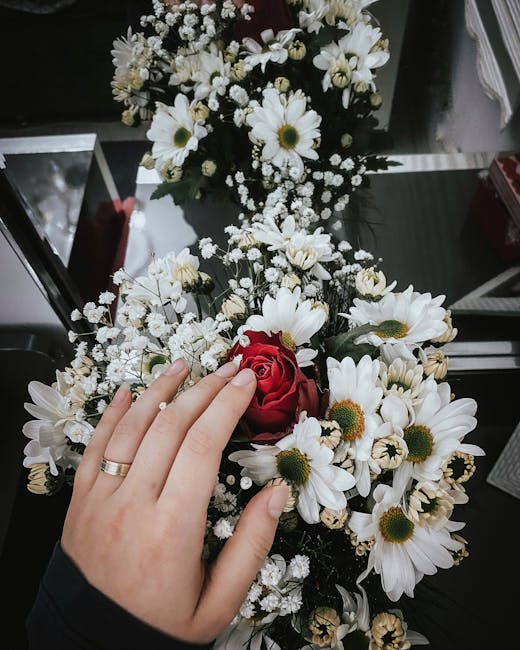
Flowers are not just decoration. They help set the tone of the day, support the colour palette, and link every part of the venue together. A bouquet that feels too heavy, a centrepiece that blocks conversation, or buttonholes that wilt before the photographs are taken can all create avoidable friction.
In Surbiton, couples often book venues with mixed light conditions, transport considerations, and fairly tight turnaround times. That matters. A florist may need to work around venue access, parking, lift use, prep space, or the time available to install everything. If those details are missed, the result may still be beautiful, but the setup can become rushed and expensive.
Another reason this topic matters is emotional. Wedding flowers tend to be one of the few visible design elements that appear in almost every photo. Guests notice them. The couple notices them. And, to be fair, people remember if they were perfect or a bit off. Nobody is judging every petal, of course, but the overall impression sticks.
Expert summary: the most expensive flower mistake is rarely choosing the wrong rose or peony. It is usually failing to define the brief, the budget, and the practical setup early enough for the florist to plan properly.
How Common mistakes when booking Surbiton wedding flowers Works
Booking wedding flowers usually follows a predictable path: you choose a supplier, discuss your wedding style and venue, confirm arrangements, agree timings, and lock in delivery or collection. Simple on paper. In real life, there are layers.
A florist needs to understand the scale of your wedding, the season, the setting, and the role flowers will play. A bridal bouquet for a small registry ceremony is very different from a full venue design with a statement floral arch, table arrangements, bridesmaid bouquets, buttonholes, and ceremony flowers. If you only say "something romantic and white," the florist has to guess. That is where mismatched expectations start creeping in.
For Surbiton couples, local relevance also comes into play. A florist familiar with the area may understand traffic patterns, delivery windows, and venue loading rules a little better. That can be especially useful when the morning is already busy and someone is trying to pin a buttonhole while the photographer waits in the hallway. Tiny detail, big difference.
The process is not just about buying flowers. It is about planning logistics, protecting freshness, and making sure the design works in the room you are actually using, not just in your head.
Key Benefits and Practical Advantages
When you avoid common mistakes and book well, the benefits are surprisingly broad. Yes, the flowers look better. But the practical advantages go further than that.
- Better value for money: your budget goes into the designs that matter most instead of being wasted on avoidable changes or emergency replacements.
- Less wedding-day stress: fewer calls, fewer surprises, and fewer "we forgot to mention..." moments.
- Stronger visual consistency: bouquets, buttonholes, table flowers, and ceremony pieces all work together properly.
- More reliable freshness: flowers can be timed and stored appropriately so they arrive looking their best.
- Cleaner communication: a clear brief helps your florist deliver what you actually want, not what they think you might mean.
There is also a confidence benefit. Once you have the flower plan under control, the rest of the wedding often feels more manageable. It is one of those planning wins that quietly reduces the mental clutter.
And in many cases, good planning allows flexibility too. You may decide to prioritise the bridal bouquet and table flowers while keeping other items simple. That sort of decision is much easier when you understand the trade-offs.
Who This Is For and When It Makes Sense
This guide is for anyone arranging a wedding in Surbiton and trying to make sensible flower decisions without becoming a full-time florist overnight. It is especially useful if you are:
- planning a wedding for the first time and unsure what to ask
- trying to balance style and budget
- booking flowers for a venue with strict timings or access rules
- choosing between ready-made collections and bespoke designs
- working with a limited guest count or a larger, more complex event
- acting as the main planner for a family wedding and trying to keep things calm
It also makes sense if you already know what you like but need help narrowing it down. You might love soft whites, blush pinks, bold seasonal colour, or a natural garden look. Great. The challenge is turning that feeling into a practical order that fits the day, the season, and the budget.
If you are still early in the process, it can help to browse wedding flowers and think in terms of groups: bouquet, bridesmaid flowers, buttonholes, venue arrangements, and any finishing touches. That is usually much easier than trying to design the whole day in one go.
Step-by-Step Guidance
1. Start with the venue and timings
Before choosing flowers, check the venue schedule. Ask when delivery can happen, whether there is a loading bay, and who receives items on the day. This sounds basic, but it prevents a surprising number of issues.
If the ceremony starts at 1 pm and the florist cannot access the room until midday, you need arrangements that can be set up quickly and safely. Otherwise the whole thing becomes a bit of a dash.
2. Decide what actually needs flowers
Not every wedding needs every possible floral item. Start with the essentials: bridal bouquet, partner's buttonhole, bridesmaid flowers, ceremony pieces, and table arrangements if relevant. Then work outward.
Many couples over-order because they fear things will look sparse. In practice, a smaller number of well-chosen pieces often looks more refined than lots of disconnected extras.
3. Share useful inspiration, not just mood words
"Elegant" and "romantic" are lovely words, but they are not enough on their own. Share colours, flower types you like, styles you dislike, dress details, venue photos, and even examples of bouquets from your own social feed if they are genuinely close to what you want.
The more precise you are, the less guesswork there is. The florist can then suggest what will work in the season, rather than trying to translate vague adjectives into stems and ribbons.
4. Set a budget with priorities
Be honest about the full flower budget. Then rank what matters most. For one couple it might be a statement bridal bouquet. For another, it is ceremony florals and tables. There is no universal correct answer.
A useful trick is to split the budget into three parts: core items, nice-to-haves, and flexible extras. That way if the quote comes in a bit higher than expected, you know where to trim without panic.
5. Confirm delivery, setup, and collection
Ask exactly what happens on the day. Is the florist delivering only, or setting up too? Will they return to collect hire items? Do they need a contact person? Small questions, but they matter.
Surbiton weddings can involve tight road access or shared venue spaces, so clear logistics are worth their weight in gold. Honestly, they save everyone a headache.
6. Review the final details in writing
Once the design is agreed, make sure the essentials are written down: flowers, colours, quantities, timings, location, and any substitutions policy. A tidy summary is the best friend of a calm wedding morning.
Expert Tips for Better Results
Here are the practical habits that tend to separate smooth bookings from stressful ones.
- Choose seasonal flowers where possible. They are often easier to source, fresher-looking, and more naturally suited to the time of year.
- Ask what happens if a stem is unavailable. Good florists will have a substitution approach that protects the overall look.
- Think about weight and comfort. A bouquet that looks stunning but feels like a brick is not ideal for a long day of photos.
- Factor in the weather. Summer heat, winter chill, and even a drizzly coach transfer can affect how flowers hold up.
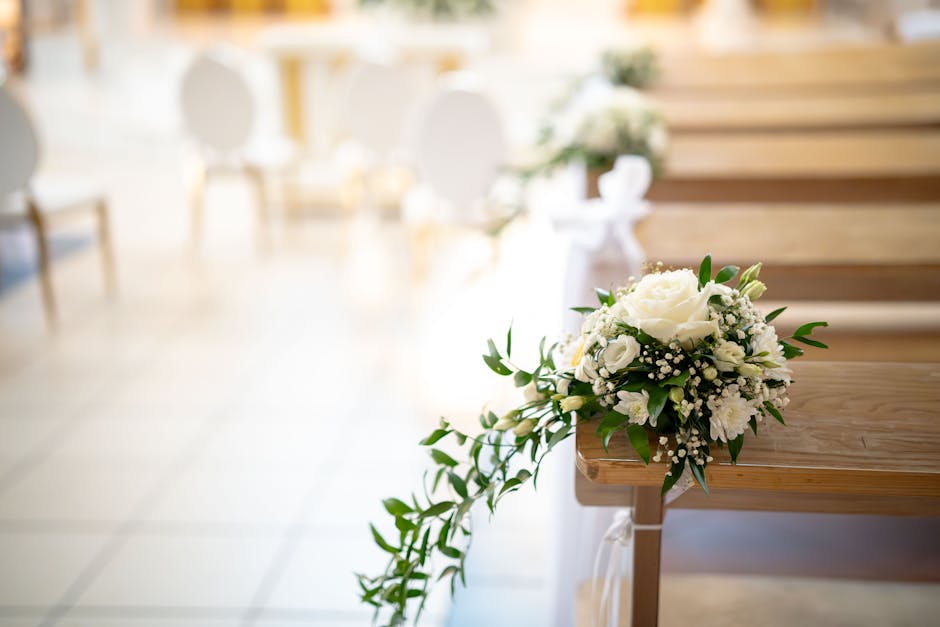
- Match scale to venue. Grand arrangements suit some spaces. In a smaller room, oversized pieces can crowd the table or block sightlines.
- Allow time for pinning and placement. Buttonholes, corsages, and table pieces always take longer than people expect. Always.
One small but useful tip: bring your dress fabric, suit colour, or a sample swatch into the conversation if you can. It helps the florist judge contrast and texture properly. That little extra context can save a lot of guesswork later.
If you are still browsing styles, pages such as bridal bouquets, bridesmaid bouquets, buttonholes, and table arrangements can help you think about each item separately instead of treating the whole wedding as one giant floral blur.
Common Mistakes to Avoid
1. Booking too late
This is the big one. Popular dates go quickly, and even when a florist still has space, late bookings reduce the time available for proper planning. You may end up settling for a design that is workable rather than ideal.
2. Giving a vague brief
If you only say "something nice," you are leaving too much open. A florist can work with preferences, but they need structure. Colour palette, venue mood, dress style, and flower dislikes are all useful.
3. Underestimating the budget
Many couples fall in love with a floral look before checking the numbers. It happens. But if the budget is too tight for the style you want, the final result can feel watered down. Better to scale intelligently from the start.
4. Ignoring the venue layout
Some designs look beautiful in a showroom and awkward on a narrow table or in a busy ceremony space. Always think about how guests will move, sit, and talk.
5. Forgetting transport and timing
Fresh flowers are living things, not props. They need the right conditions. Leaving them in a hot car or assuming they can be collected hours before the ceremony is asking for trouble.
6. Choosing flowers only by appearance
Looks matter, of course. But fragrance, durability, seasonality, and pollen can all affect the experience. Strong scent is lovely for some people and overwhelming for others. It is a fine balance.
7. Not planning for substitutions
Even the best-planned wedding can face supply changes. Good florists will suggest alternatives that preserve the style. If you do not discuss substitutions in advance, a small supply issue can become a bigger emotional one than it needs to be.
8. Assuming everything is included
Sometimes couples think delivery, setup, candles, hire items, or collection are automatically covered. Sometimes they are not. Ask. Plainly. It saves awkwardness later.
Here is the honest version: most flower mistakes are not really about flowers. They are about assumptions. And assumptions are sneaky little things.
Tools, Resources and Recommendations
You do not need fancy planning software to get wedding flowers right, but a few simple tools help a lot.
- Venue notes: keep address, access instructions, and contact details in one place.
- Inspiration board: save images of bouquet shapes, table styles, and colour palettes.
- Budget breakdown: list each floral item and allocate a clear amount.
- Wedding timeline: track when flowers are needed, delivered, and placed.
- Flower care knowledge: basic guidance on storage and handling can protect freshness before the ceremony.
If you want to understand how to keep flowers looking their best before and after delivery, the flower care guidance can be genuinely useful. Likewise, if you are comparing delivery timing and availability, the delivery information and guarantees pages are worth a read so you know what support is offered and what expectations to set.
For couples who are still deciding whether to go with a specialist florist or just pick up flowers from a general shop, browsing a local Surbiton florist and checking the broader flower shops in Surbiton landscape can help you compare service levels more realistically. Not all flower needs are the same, especially for weddings.
Law, Compliance, Standards, or Best Practice
Wedding flowers are not heavily regulated in the way some industries are, but there are still sensible best practices and consumer protections to keep in mind.
First, make sure terms are clear. You should know what happens if you change your mind, if the wedding date changes, or if something unavailable needs replacing. Cancellation, payment, and refund expectations should be understood before you pay. That is just good practice, not overthinking.
Second, remember that any venue rules still apply. Some venues restrict open flame, have specific access times, or require suppliers to carry items in certain ways. If you are planning floral candle arrangements or table styling, check the venue's own rules carefully.
Third, ask about freshness and handling standards. Flowers should be stored and transported in a way that protects them from heat, crushing, and unnecessary delay. That is especially relevant for summer weddings and longer journeys.
Finally, if sustainability matters to you, ask where possible about seasonal sourcing, reuse options, and waste reduction. Many couples now want a beautiful day without feeling wasteful, and that is a very reasonable expectation.
The short version? Good floristry is part creativity, part logistics, part clear communication. The contract may not feel glamorous, but it does a lot of quiet work.
Options, Methods, or Comparison Table
Different couples approach wedding flowers in different ways. None is automatically best. It depends on budget, style, and how much input you want to manage.
| Approach | Best for | Pros | Potential drawback |
|---|---|---|---|
| Bespoke design | Couples who want something highly tailored | Very personal, flexible, strong visual cohesion | Needs more time and usually a higher budget |
| Collection-based ordering | Couples who want simplicity and speed | Easier to choose, more predictable, often quicker to book | Less customisation |
| Minimal floral plan | Smaller ceremonies or tighter budgets | Focuses spend on the most visible items | May feel understated if the venue is large |
| Full venue floral styling | Couples seeking a strong decorative impact | Creates a complete atmosphere across the day | Higher cost and more complex logistics |
If you are not sure which route suits you, think about the moment guests will remember most. Is it the ceremony entrance, the bouquet, the table setting, or the overall atmosphere? That answer usually points you toward the right level of floral investment.
Case Study or Real-World Example
Here is a very typical scenario. A couple booking a Surbiton wedding in late spring starts with a loose idea of "soft pastel flowers." They love blush pink, but also want white and a little green to keep things fresh. They wait a bit too long to finalise the order, then realise their venue has a short setup window and limited parking at the entrance.
At first, they are tempted to add more pieces to "make it feel worth it." But once the florist explains the layout, the plan changes. They focus on the bridal bouquet, three bridesmaid bouquets, groom's buttonhole, a few ceremony pieces, and table arrangements for the top table and guest tables. The final design is simpler than the original Pinterest board, but more coherent, easier to deliver, and better suited to the room.
The practical win here was not just cost control. It was clarity. The couple stopped trying to make the flowers do every job at once. They let each arrangement have a purpose. That is usually when things start looking polished rather than crowded.
And yes, the bouquet still photographed beautifully in the soft late-afternoon light. Sometimes less really is more. A bit annoyingly true, that one.
Practical Checklist
Use this checklist before you confirm your wedding flower order:
- Have I chosen or confirmed the venue?
- Do I know the date, ceremony time, and access window?
- Have I listed every floral item we actually need?
- Do I know our colour palette and style preference?
- Have I shared dress, suit, or venue photos if useful?
- Is the budget realistic for the look we want?
- Have I asked about substitutions if a flower is unavailable?
- Do I know whether delivery, setup, and collection are included?
- Have I checked venue rules for candles, setup, and timing?
- Do I know how the flowers will be kept fresh before the ceremony?
- Have I confirmed the final details in writing?
If you can tick most of those boxes, you are in good shape. If not, do not panic. Just work through them one by one.
Conclusion
The common mistakes when booking Surbiton wedding flowers are usually avoidable once you slow the process down and treat it like part of the day's planning, not an afterthought. Start early, be specific, ask sensible questions, and keep one eye on logistics as well as style. That combination makes flower planning feel less overwhelming and far more enjoyable.
Good wedding flowers should feel effortless on the day, but that effortlessness is built well before the first stem arrives. Get the details right, and the flowers will do what they are meant to do: frame the moment, lift the room, and quietly make everything feel more special.
Get a free quote today and see how much you can save.
If you are still weighing options, take a calm look at your priorities and trust your instincts. The best plans are usually the ones that feel clear, not rushed. And when the bouquet is finally in your hands, that lovely mix of nerves and excitement? That is part of it too.
Frequently Asked Questions
What is the biggest mistake people make when booking wedding flowers?
The biggest mistake is usually leaving it too late. Late booking reduces choice, shortens planning time, and makes it harder to refine the design properly.
How far in advance should I book Surbiton wedding flowers?
The earlier the better, especially for busy dates. Many couples start enquiries months ahead so they have time to discuss style, budget, and venue logistics without rushing.
Do I need a full floral package for a wedding?
No. You only need what suits your venue, guest count, and budget. Some weddings look best with a few key pieces rather than a full room of flowers.
How do I make sure the florist understands my style?
Share photos, colours, venue details, dress inspiration, and examples of what you do not like. Words like "romantic" help, but pictures and specifics help much more.
Are seasonal flowers better for weddings?
Often, yes. Seasonal flowers are usually easier to source and can be a better fit for the time of year, though your florist may suggest alternatives if a look needs adjusting.
What if a flower I want is unavailable?
A good florist should offer a substitute that keeps the overall style and colour feel intact. It is sensible to discuss this before confirming the order.
Should I match my flowers exactly to the bridesmaids' dresses?
Not exactly. A close colour relationship usually works better than a perfect match. Flowers and fabric rarely need to be identical to look cohesive.
Do wedding flowers include delivery and setup automatically?
Not always. Some orders do, some do not. Always check what is included so there are no assumptions on the day.
How can I keep wedding flowers fresh before the ceremony?
Follow basic flower care guidance, keep them away from heat and direct sun, and make sure they are stored according to the florist's instructions until needed.
What should I prioritise if my budget is tight?
Focus on the bouquet, buttonholes, and the most visible venue pieces. That usually gives the strongest visual impact without stretching the budget too far.
Is it worth using a local florist in Surbiton?
If you want local knowledge, easier coordination, and a more personal service, yes, it often is. A local florist may also understand delivery routes and venue access more naturally.
Can I use the same flowers for the ceremony and reception?
Yes, in many cases you can repurpose arrangements. That can be a smart way to make the budget go further, provided the timings and setup allow it.